
Online Class: Crisis Management 101

no certificate
with CEU Certificate*
-
13Lessons
-
15Exams &
Assignments -
1,314Students
have taken this course -
8Hours
average time -
0.8CEUs
Course Description
Unexpected events occur frequently in all aspects of our daily environment. Whether on a school playground, a university campus, a factory, a post office or a major corporation headquarters, understanding the importance and challenges to individuals when addressing crisis management or emergency situations is vital for the safety and security of human life, revenues, and reputation.
This course on crisis management offers students the basics in identifying, preventing, and controlling crisis situations. Crisis management basics, from preparation to training and compliance are discussed, as are various stages of a crisis, and the need to establish a crisis management team. Clearly identifying the roles and functions of each crisis management team member is essential for the ultimate success of contingency planning, which is also discussed.
This course also helps students identify potential risks or situations that may precipitate a crisis or emergency and learn approaches on how to respond to such incidents. The importance of communication and making instant and effective decisions is also covered, as are a variety of emergency response scenarios; from planning evacuation from a local elementary school affected by an earthquake to a major hospital suffering a massive power outage to the threat of a rogue employee.
Crisis management also depends on developing, assessing and determining consequences of contingency plans, and helps students identify the most common weaknesses found in many crisis management plans. Finally, the course concludes with guidance regarding damage control, the restoration of confidence in a business, company or entity, and offers students a basic checklist that may be utilized as a jumping off point for a crisis management team in a variety of business environments or public sector scenarios.


Course Motivation
Understanding how to anticipate, plan for, and deal with a variety of potential crises, dangers, or catastrophic circumstances may not only save lives but also a company's reputation, thus saving billions of dollars in business or investment funds.
Crisis management, or at least a plan to deal with unexpected situations or emergencies, is required in most public facilities, from airports to schools. Crisis management is an important aspect of society today and provides a variety of challenges to managers regardless of the scenario.
Why Crisis Management Is Important
Crisis management is a system of dealing with potential emergency situations or dangerous scenarios, regardless of the environment. We send our children to school knowing that they should be safe there. We go to work every day, assuming that our employers have provided a safe environment for us to do our jobs. We travel the freeways, believing that the structural integrity of roadways and bridges has been adequately designed with volume and congestion taken into consideration by architects and construction workers.
However, no matter how carefully or safely we plan our day, emergencies happen. We don't expect them, but we can plan for them. At school, we engage in fire and earthquake drills, but back in the 1950s and early '60s, drop-drills were practiced weekly in case of atomic catastrophes. Today, security is a big concern for many schools, and many school districts employ security officers as well as metal detectors to make sure that knives and guns are not brought onto school properties.
Because the safety and well being of our children are important, we expect school administrators, from preschools to college universities, to take appropriate caution when determining potential scenarios that may impact safety or harm life.
At work, we also practice fire drills and evacuation plans, and we sometimes must pass through a variety of security measures before we reach our desk or place of employment.
Unfortunately, people in business today must also plan for the worst and do whatever is possible to protect not only lives but businesses from damage and destruction. From chief executive officers to employees, we must all be diligent in understanding why crisis management planning is important in everyday life.
Challenges to Managers
Crisis management involves a variety of challenges to managers, school administrators, CEOs, and government employees. This course on crisis management will cover a variety of the basics regarding crisis planning that include but are not limited to identifying a potential crisis, detecting warning signs that a crisis may occur, and controlling the damage of any crisis situation.
Establishing a crisis management team will be explored later in this course, and involves choosing individuals capable of leadership and taking responsibility, as well as the ability to delegate functions and roles to other individuals.
The outcome of any crisis cannot be absolutely guaranteed. Situations differ, as do human emotions when reacting to specific crisis scenarios. A crisis can range widely from a CEO assessing damage from embezzlement, to handling a public relations disaster, to dealing with a university campus shooting.
Many crisis management teams feel that they have created adequate scenarios for their specific business environment but then fail to follow up by creating contingency plans, identifying weaknesses in a plan, and developing a variety of additional emergency response scenarios, expected or not.
The main focus of crisis management is to protect life and limb, limit damage, and restore confidence. Again, depending on environment, this is often easier said than done.
Scenario, environment, age of employees, schoolchildren, and adults all come into play in how a crisis or dangerous scenario may be anticipated, perceived, played out, and resolved.
What would happen if the CEO of an important company on the cutting edge of releasing a new technology was suddenly killed in a tragic accident? What happens to the employees and investors of that company? What happens to the stockholders who have invested in the technology?
How would school employees deal with evacuating damaged buildings following an earthquake or fire? How does your local post office protect itself from enraged employees who come looking for revenge with a weapon?
As you can see, emergencies are unexpected situations, and many emergencies are based on human factors and emotions. Hospitals may very well have a secure evacuation plan in the event of a fire, but what happens in the event of an earthquake? Or what if there's flooding caused by plumbing damage?
It can be said that Murphy's Law is alive and well in the 21st century: Bad things happen, and they often happen even to those who have done their best to protect themselves, their companies, their employees, or other individuals from danger.
Whether it's an oil spill in Alaska, faulty brake pedals in an automobile, bad public relations damage resulting from such faults, or financial misdealing from a leading investment company, crisis management is an essential part of contingency planning and preparation, as well as reducing losses from setbacks in today's business environments.
- Completely Online
- Self-Paced
- Printable Lessons
- Full HD Video

- 6 Months to Complete
- 24/7 Availability
- Start Anytime
- PC & Mac Compatible
- Android & iOS Friendly
- Accredited CEUs
Course Lessons


Lesson 1: What is Crisis Management
 Lesson 1 Video
 Lesson discussions: Crisis Management; Reasons for Taking this Course
 Complete Assignment: An Introduction
- Assessment: Lesson 1: What Is Crisis Management
Lesson 2: Identifying a Crisis
- Lesson 2 Video
- Assessment: Lesson 2: Identifying a Crisis
Lesson 3: Crisis Management Basics
- Lesson 3 Video
- Assessment: Lesson 3: Crisis Management Basics
Lesson 4: Crisis Stages
- Lesson 4 Video
- Lesson discussions: Crisis
- Assessment: Lesson 4: Crisis Stages
Lesson 5: Establishing a Crisis Management Team
- Lesson 5 Video
- Assessment: Lesson 5: Establishing a Crisis Management Team
Lesson 6: The Role of the Crisis Manager
- Lesson 6 Video
- Assessment: Lesson 6: The Role of the Crisis Manager
Lesson 7: Putting Crisis Management into Action
- Lesson 7 Video
- Assessment: Lesson 7: Putting Crisis Management Into Action
Lesson 8: Psychology of Crisis Management Decisions
- Lesson 8 Video
- Assessment: Lesson 8: Psychology Of Crisis Management Decisions
Lesson 9: Emergency Response Scenarios
- Lesson 9 Video
- Assessment: Lesson 9: Emergency Response Scenarios
Lesson 10: Common Crisis Management Plan Weaknesses
- Lesson 10 Video
- Assessment: Lesson 10: Common Crisis Management Plan Weaknesses
Lesson 11: Contingency Plans
- Lesson 11 Video
- Assessment: Lesson 11: Contingency Plans
Lesson 12: Damage Control
- Lesson 12 Video
- Assessment: Lesson 12: Damage Control
Lesson 13: A Crisis Management Checklist
- Lesson 13 Video
- Lesson discussions: Checklist; Program Evaluation Follow-up Survey (End of Course); Course Comments
- Assessment: Lesson 13: A Crisis Management Checklist
- Assessment: The Final Exam
Learning Outcomes
- Define crisis management.
- Identify what a crisis is.
- Describe the basics of crisis management.
- Define the stages of a crisis.
- Describe how to establish a crisis management team.
- Define the role of the crisis manager.
- Describe putting crisis management into action.
- Describe the psychology of crisis management decisions.
- Describe the emergency response scenarios.
- Describe common crisis management plan weaknesses.
- Develop contingency plans.
- Implement damage control.
- Create a crisis management checklist.
- Demonstrate mastery of lesson content at levels of 70% or higher.
Additional Course Information
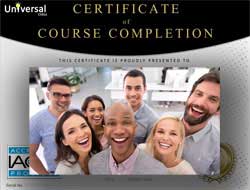
- Document Your Lifelong Learning Achievements
- Earn an Official Certificate Documenting Course Hours and CEUs
- Verify Your Certificate with a Unique Serial Number Online
- View and Share Your Certificate Online or Download/Print as PDF
- Display Your Certificate on Your Resume and Promote Your Achievements Using Social Media
Choose Your Subscription Plan
No Certificate / No CEUs
This course only
| Includes certificate | X |
| Includes CEUs | X |
| Self-paced |

|
| Instructor support |
|
| Time to complete | 6 months |
| No. of courses | 1 course |
Certificate & CEUs
This course only
| Includes certificate |
|
| Includes CEUs |
|
| Self-paced |
|
| Instructor support |
|
| Time to complete | 6 months |
| No. of courses | 1 course |
Certificates & CEUs
Includes all 600+ courses
| Includes certificate |
|
| Includes CEUs |
|
| Self-paced |
|
| Instructor support |
|
| Time to complete | 12 Months |
| No. of courses | 600+ |
Certificates & CEUs
Includes all 600+ courses
| Includes certificate |
|
| Includes CEUs |
|
| Self-paced |
|
| Instructor support |
|
| Time to complete | 24 Months |
| No. of courses | 600+ |
Student Testimonials
- "Instructor was very willing to give advice and very open to interaction. Instructor responded to evaluations and grading very quickly." -- Ray G.
- "The instructor provide excellent information that can be used." -- Joann M.
- "The course instructor was a good instructor and very attentive. What was most helpful was the crisis management solutions and the summary after each lesson." -- Thomas A.
- "I was aware that much learning (and committing to memory) of class content was happening in the assignment process, for which I am thankful." -- Kathryn C.
Related Courses
-
 36 hours
3.6 CEUs
Ultimate Secretary Training Bundle
+ More Info
36 hours
3.6 CEUs
Ultimate Secretary Training Bundle
+ More Info
-
 5 hours
0.5 CEUs
Managerial Accounting 101
+ More Info
5 hours
0.5 CEUs
Managerial Accounting 101
+ More Info
-
 7 hours
0.7 CEUs
Innovative Thinking
+ More Info
7 hours
0.7 CEUs
Innovative Thinking
+ More Info
-
 7 hours
0.7 CEUs
Healthy Relationships
+ More Info
7 hours
0.7 CEUs
Healthy Relationships
+ More Info
-
 7 hours
0.7 CEUs
Organizational Behavior in Business
+ More Info
7 hours
0.7 CEUs
Organizational Behavior in Business
+ More Info
-
 8 hours
0.8 CEUs
Procurement Management
+ More Info
8 hours
0.8 CEUs
Procurement Management
+ More Info
-
 7 hours
0.7 CEUs
Introduction to Ethics
+ More Info
7 hours
0.7 CEUs
Introduction to Ethics
+ More Info
-
 5 hours
0.5 CEUs
Creative Thinking
+ More Info
5 hours
0.5 CEUs
Creative Thinking
+ More Info
-
 7 hours
0.7 CEUs
Personal Communication Skills Level 4
+ More Info
7 hours
0.7 CEUs
Personal Communication Skills Level 4
+ More Info
-
 7 hours
0.7 CEUs
Conflict Resolution Techniques
+ More Info
7 hours
0.7 CEUs
Conflict Resolution Techniques
+ More Info
-
 5 hours
0.5 CEUs
Developing Great Social Skills
+ More Info
5 hours
0.5 CEUs
Developing Great Social Skills
+ More Info
-
 9 hours
0.9 CEUs
Introduction to Six Sigma
+ More Info
9 hours
0.9 CEUs
Introduction to Six Sigma
+ More Info
-
 5 hours
0.5 CEUs
Mastering Conversation Skills
+ More Info
5 hours
0.5 CEUs
Mastering Conversation Skills
+ More Info
-
 6 hours
0.6 CEUs
Personal Assistant 101
+ More Info
6 hours
0.6 CEUs
Personal Assistant 101
+ More Info
-
 7 hours
0.7 CEUs
Respectful International Workplace
+ More Info
7 hours
0.7 CEUs
Respectful International Workplace
+ More Info
-
 6 hours
0.6 CEUs
Sustainable Development for Business
+ More Info
6 hours
0.6 CEUs
Sustainable Development for Business
+ More Info
-
 5 hours
0.5 CEUs
The Art of Setting Goals
+ More Info
5 hours
0.5 CEUs
The Art of Setting Goals
+ More Info
-
 6 hours
0.6 CEUs
Confidence Building
+ More Info
6 hours
0.6 CEUs
Confidence Building
+ More Info
-
 6 hours
0.6 CEUs
Generational Diversity in the Workplace
+ More Info
6 hours
0.6 CEUs
Generational Diversity in the Workplace
+ More Info
-
 5 hours
0.5 CEUs
Team Building 101
+ More Info
5 hours
0.5 CEUs
Team Building 101
+ More Info
-
 6 hours
0.6 CEUs
Goal Setting for Business
+ More Info
6 hours
0.6 CEUs
Goal Setting for Business
+ More Info
-
 5 hours
0.5 CEUs
Lawful Employee Termination
+ More Info
5 hours
0.5 CEUs
Lawful Employee Termination
+ More Info
-
 7 hours
0.7 CEUs
Lean Management
+ More Info
7 hours
0.7 CEUs
Lean Management
+ More Info
-
 8 hours
0.8 CEUs
Strategic Planning
+ More Info
8 hours
0.8 CEUs
Strategic Planning
+ More Info
-
 5 hours
0.5 CEUs
Critical Thinking
+ More Info
5 hours
0.5 CEUs
Critical Thinking
+ More Info
-
 6 hours
0.6 CEUs
General Receptionist
+ More Info
6 hours
0.6 CEUs
General Receptionist
+ More Info
-
 8 hours
0.8 CEUs
Motivational and Public Speaking 101
+ More Info
8 hours
0.8 CEUs
Motivational and Public Speaking 101
+ More Info
-
 7 hours
0.7 CEUs
Preventing Workplace Harassment
+ More Info
7 hours
0.7 CEUs
Preventing Workplace Harassment
+ More Info
-
 7 hours
0.7 CEUs
How to Win Arguments
+ More Info
7 hours
0.7 CEUs
How to Win Arguments
+ More Info
-
 7 hours
0.7 CEUs
Business Analysis
+ More Info
7 hours
0.7 CEUs
Business Analysis
+ More Info
-
 5 hours
0.5 CEUs
Business Etiquette
+ More Info
5 hours
0.5 CEUs
Business Etiquette
+ More Info
-
 5 hours
0.5 CEUs
Kaizen 101 - An Introduction
+ More Info
5 hours
0.5 CEUs
Kaizen 101 - An Introduction
+ More Info
-
 8 hours
0.8 CEUs
Assertiveness Training
+ More Info
8 hours
0.8 CEUs
Assertiveness Training
+ More Info
-
 4 hours
0.4 CEUs
Resolving Workplace Conflict
+ More Info
4 hours
0.4 CEUs
Resolving Workplace Conflict
+ More Info
-
 6 hours
0.6 CEUs
How to Run an Effective Help Desk
+ More Info
6 hours
0.6 CEUs
How to Run an Effective Help Desk
+ More Info
-
 8 hours
0.8 CEUs
Business Ethics
+ More Info
8 hours
0.8 CEUs
Business Ethics
+ More Info
-
 5 hours
0.5 CEUs
Emotional Intelligence
+ More Info
5 hours
0.5 CEUs
Emotional Intelligence
+ More Info
-
 6 hours
0.6 CEUs
Workplace Violence: A Guide to Responding and Preventing
+ More Info
6 hours
0.6 CEUs
Workplace Violence: A Guide to Responding and Preventing
+ More Info
Loading...



Follow Us Online