


Essay Crafting 101: Turning Ideas into Masterpieces
Learn How to Write an A+ Essay



 6 Hours average completion time
 0.6 CEUs
 12 Lessons
 21 Exams & Assignments
 95 Discussions
 12 Videos
 15 Reference Files
 61 Articles
 Mobile Friendly
 Last Updated October 2026

Welcome to Essay Crafting 101: Turning Ideas into Masterpieces, where your ideas find their voice through thoughtfully structured essays! Whether you've ever felt the frustration of a blank page or just want to sharpen your writing skills, this course is here to guide you. We delve into the unique roles that different essay types play in sharing stories, advocating for change, or analyzing intricate subjects, so you'll understand how to tailor your writing to varied audiences.
With our focus on grammar essentials and word versatility, you'll wield language with confidence, creating essays that resonate. Discover how effective introductions and conclusions can captivate readers, and learn the art of transformation by mastering the revision process. Each lesson provides insights and techniques to turn your ideas into compelling narratives, equipping you with skills applicable in both academic and personal writing contexts. Join us and start transforming your thoughts into engaging essays today--it's practical, rewarding, and speaking directly to you.
- Crafting compelling introductions and conclusions
- Research synthesis and evidence presentation
- Attention-grabbing and purposeful writing
- Enhanced narrative and storytelling skills
- Mastery of essay structure and flow
- Refined grammar and punctuation use
- Effective communication and persuasion
- Critical thinking and idea development
- Precision in language and style refinement


 Communication & Interpersonal Skills
  Fashion & Personal Style
Leadership and Management
Alternative Medicine
Fashion & Personal Style
Leadership and Management
Alternative Medicine  Small Business
  Gardening
  Home Decorating
The Unexplained
Home Decorating
The Unexplained  Healing


-

Basic Writing Skills Level 2
-

Spelling 101
-
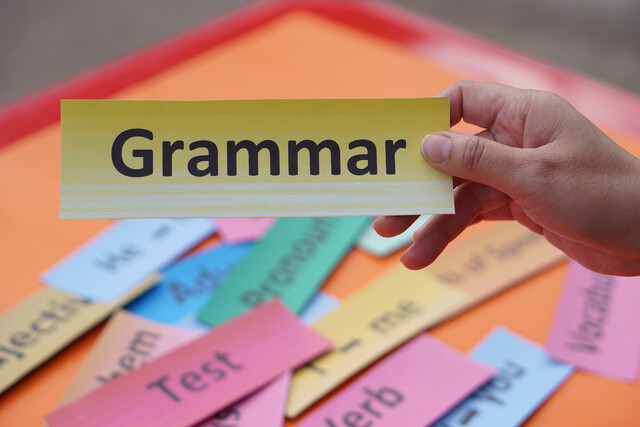
English Grammar Level 3
-
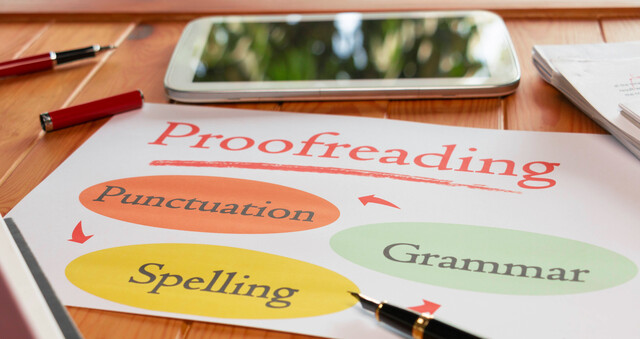
Punctuation and Grammar 101
-

Proofreading and Copyediting 101
-
English Grammar Level 2
-
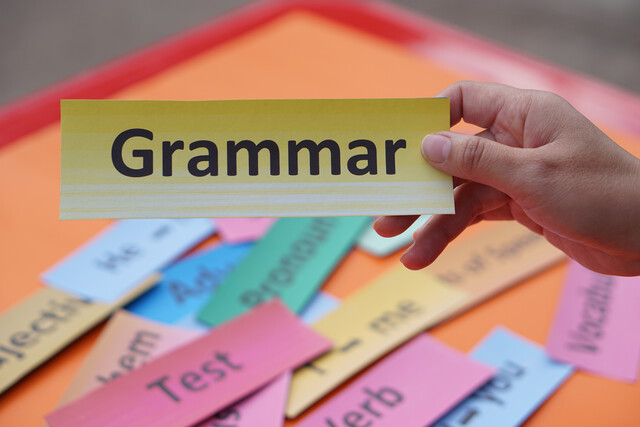
English Grammar Level 1
-

The Essentials of Engaging and Effective Writing
-

Reading Comprehension 101
-

Writing Basics 101: Spelling, Grammar, Punctuation, Writing Structures
-
ABCs of English Grammar
-
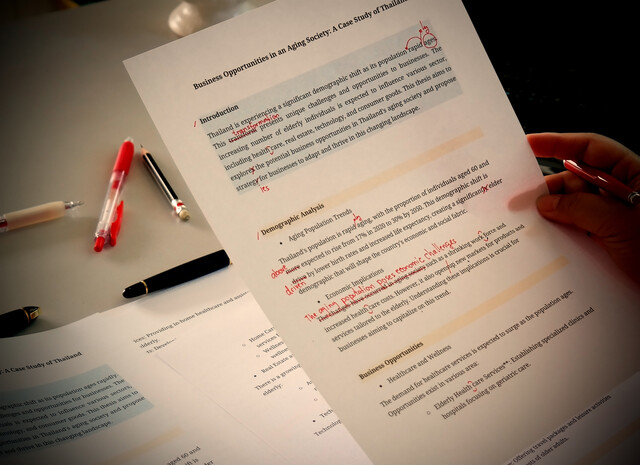
English Composition
-
Basic Writing Skills Level 1