Lesson 1. Cell and Molecular Science: From DNA to Frontiers
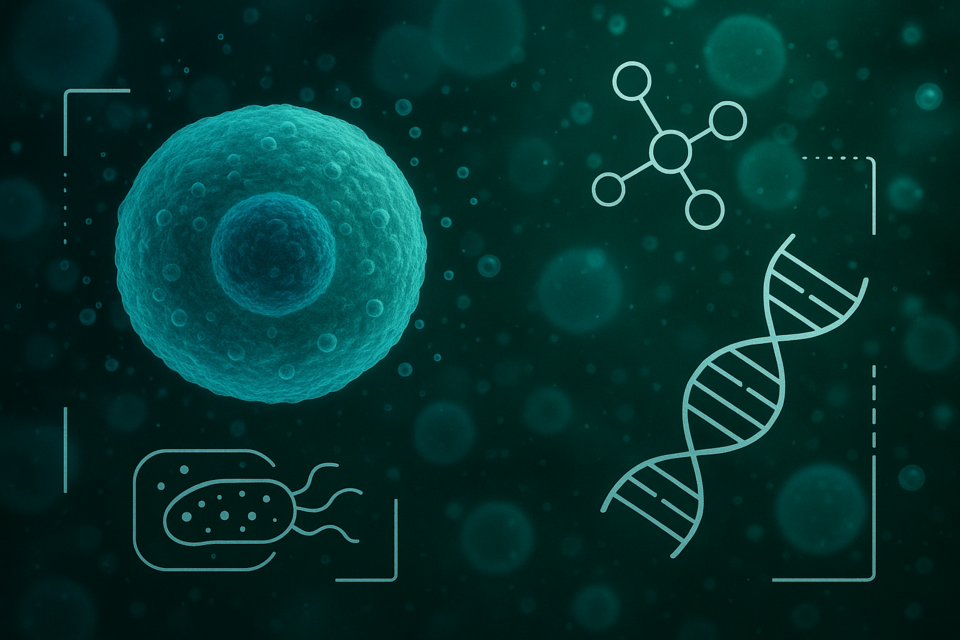
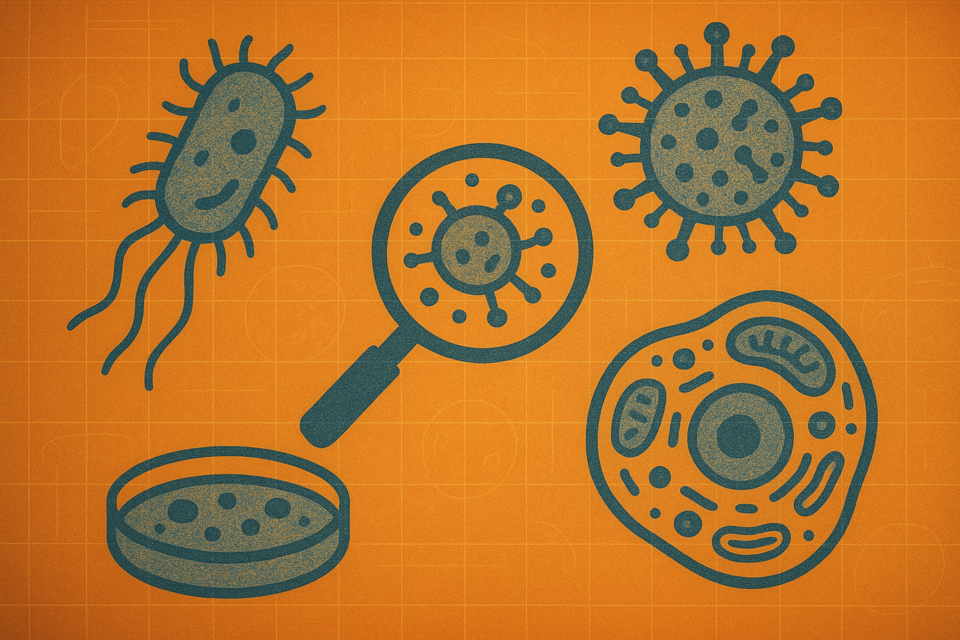
The evolution of molecular biology began with early cell discoveries, culminating in the DNA structure revelation. This progress lays the foundation for advanced genetic research, facilitating personalized treatments and biotechnological innovations in agriculture and environmental fields.
Lesson 2. Cellular Alchemy: The Energetic and Structural Fundamentals of Life
Fundamental to understanding life, the study of cells and their structural composition unravels the universal principles binding all living organisms. Insights from cellular biology fuel innovations in medicine, agriculture, and technology, leveraging these principles for future advancements.
Lesson 3. Energy and Metabolism: The Chemical Dance of Life
Chemical reactions invisibly choreograph life, supporting the growth and survival of organisms across ecosystems. Understanding the balance between biosynthesis and degradation reveals fascinating insights into nature's adaptability and sustainability.
Lesson 4. DNA: Life's Blueprint
DNA's profound influence extends from catalyzing medical breakthroughs to sustaining biodiversity; the genetic code weaves life's multifaceted tapestry. This molecular saga invites future genetic pioneers to tackle ethical considerations and embrace the awe-inspiring mysteries it unveils.
Lesson 5. Proteins: The Pillars of Cellular Functionality
Advanced characterization techniques, like X-ray crystallography and NMR spectroscopy, provide detailed views into protein architecture. These methods enhance our understanding of cellular machinery and facilitate targeted drug design by revealing protein dynamics.
Lesson 6. Protein Dynamics: The Regulatory Symphony
Protein regulation in cells is like a finely tuned symphony, ensuring that proteins, essential for cellular functions, are produced and activated precisely when needed. Recent advancements in technology have demystified how multiprotein complexes dynamically respond to cellular signals, offering insights with potential for medical breakthroughs.
Lesson 7. Dynamic Gateways: Exploring the Cell Membrane
The cell membrane's pivotal role extends beyond protection, enabling selective permeability, signal processing, and cellular communication, supported by diverse membrane proteins like transporters and identity markers critical for biochemical coordination. Ongoing research into membrane dynamics and protein structures advances our understanding, with potential applications in synthetic biology and disease treatment innovation.
Lesson 8. Molecular Genetics 101
Genetics serves as the foundation for exploring life, health, and evolution, revolutionized by Mendel's inheritance theories and advancing from classical to molecular genetics. Genetic research unravels complexities that aid in combating hereditary diseases.
Lesson 9. Cell Cycle Dynamics: Prokaryotes vs Eukaryotes
The regulation of the cell cycle is maintained by checkpoints, ensuring accuracy and preventing uncontrolled division, such as cancer. Future medical therapies aim to correct cell cycle errors, paving the way for personalized treatments.
Lesson 10. Cell Cycles and the Intricacy of Cellular Processes
In the cell cycle, life operates as a finely-tuned orchestra where cells meticulously grow, replicate DNA, and divide under strict regulation to prevent errors from becoming permanent mistakes. This process includes specific phases such as the preparation of interphase, division of mitosis, and the vigilance of checkpoints, all ensuring cellular harmony and balance.
Lesson 11. Cell Communication: Ligands, Receptors, and Beyond
G-Protein-Coupled Receptors (GPCRs) and enzyme-linked receptors represent pivotal signaling modalities, influencing processes from taste perception to cell growth. Dysfunctions in these pathways often underpin diseases, making them valuable targets for pharmaceutical interventions.
Lesson 12. The Symphony of Signaling Pathways in Cells
Signal transduction translates external signals into cellular actions through a cascading series of biochemical events, akin to messages passed through a sophisticated communication network. Scientific investigation has focused on pathways like Wnt, essential for cellular development and implicated in cancer research and stem cell management.
Lesson 13. The Art and Science of Cellular Transport: A Journey Through Ion and Molecule Movement
Cells utilize complex transport systems, including diffusion and active transport, to regulate molecular exchange across their plasma membranes. The balance between energy usage and passive processes ensures cells maintain homeostasis while responding dynamically to their environments.
Lesson 14. Proteins on the Move
In the cellular realm, sophisticated transport systems resemble a well-coordinated courier service, ensuring newly synthesized proteins reach their designated locales. The Golgi apparatus plays a pivotal role, modifying proteins before they embark on their cytoplasmic or extracellular voyages.
Lesson 15. Epithelial Tissue: Structure, Function, and Impact
The epithelium is more than just a layer of tissue; it is an architectural marvel that underpins the organization and functionality of our organs. This tissue is one of the four foundational tissue types in the body--the others being connective tissue, muscle tissue, and nervous tissue.
Lesson 16. The Intricacies of Cancer: A Deep Dive into Cell Mutation and Disease
Cancer's insidious spread is rooted in genetic mutations disrupting the cellular harmony, akin to a conductor losing control of an orchestra. Advances in treatment, public awareness, and prevention efforts like vaccination and lifestyle changes are critical strides towards a cancer-free future.
Lesson 17. Decoding Cancer: The Genetic and Cellular Saga
Cancerous cells persistently grow and adapt by ignoring programmed death pathways and exploiting DNA repair failures, leading to tumor formation. Like unstable architecture with rapid yet poor construction, aggressive cancer cells disrupt tissue integrity, heralding swift tumoral invasion.
Lesson 18. Pathogenic Life Cycles and Transmission Modes
Pathogens, the invisible perpetrators of disease, cycle through hosts by evading immune responses and exploiting resources before spreading, shaping human history with their impact on health. Understanding and combating them involves vaccination, antimicrobial treatments, and robust public health measures.
Lesson 19. Bioinformatics: Bridging Biology and Technology
With innovative tools like genome sequencing and machine learning, bioinformatics deciphers the complexities of genomics, proteomics, and more. These advancements support sustainable management of genetic resources, combating food scarcity, and preserving biodiversity.
Lesson 20. Stem Cell Research: Bridging Science and Ethics
Stem cell research, positioned at the crossroads of advanced biology and ethical debate, explores the extraordinary regenerative capability of stem cells, promising potential medical breakthroughs yet posing significant moral considerations. With their capacity to transform into various cell types, stem cells hold keys to treating degenerative diseases, but ethical concerns regarding embryonic stem cells challenge progression in this promising field.





 18 Hours average completion time
 1.8 CEUs
 20 Lessons
 27 Exams & Assignments
 10 Discussions
 20 Videos
 21 Reference Files
 Mobile Friendly
 Last Updated December 2023