Lesson 1. Microbial Worlds: More than Meets the Eye
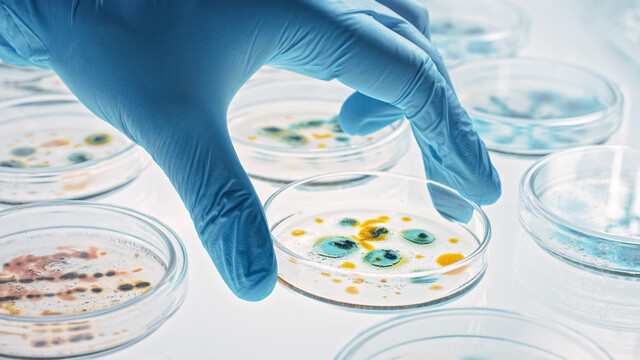
Encompassing far more than meets the eye, microbiology is a cornerstone of scientific inquiry with applications that ripple across disciplines from agricultural sciences to pharmaceuticals. Its study not only enhances our comprehension of microbial life cycles and classifications but also equips us to manage and utilize these entities for the benefit of humanity and environmental preservation.
Lesson 2. Microbiology Essentials
Microbial interaction in disease dynamics unfolds through active and chronic carriers influencing epidemic and pandemic control strategies. Historical examples like 'Typhoid Mary' highlight public health challenges, while modern research emphasizes pathogen-host dynamics for effective disease management.
Lesson 3. Seeing the Unseen: A Journey into the Microbial World
The once invisible universe of microbes came into sharp focus with the development of the microscope, opening a new realm of discovery led by pioneers like Robert Hooke and Anton van Leeuwenhoek. Their findings reshaped science, with advancements continuing into modern times, elevating microbiology to a central pillar of medicine, industry, and environmental stewardship.
Lesson 4. Delving Into the Invisible: A Closer Look at Microorganisms
As humans continue to investigate the microbial realm, they uncover its critical influence on the biosphere--from foundational oceanic food webs to human microbiomes that stabilize health. Educational initiatives encouraging STEM involvement indicate a promising future for microbiological research, essential for biodiversity conservation and biotechnological innovation.
Lesson 5. Bridging Chemistry and Microbiology: A Cellular Odyssey
The chemical foundation of microbiology connects minute life forms with universal science, evolving into a framework integral to modern biology. Pioneers like Schleiden and Schwann laid the groundwork with cell theory, elucidated through Virchow's principle, bridging cellular processes and microorganisms like E. coli.
Lesson 6. Exploring the Foundation of Cellular Life: Prokaryotes vs. Eukaryotes
Bacteria, discovered by van Leeuwenhoek, are diverse prokaryotes found globally, classified by their cell wall characteristics and morphology like bacillus, coccus, and spirillum. These microorganisms are pivotal in healthcare, biotechnology, and the environment, performing roles from causing diseases to supporting beneficial processes like probiotics and CRISPR technology.
Lesson 7. The Science of Microbial Metabolism
Catabolic pathways break down molecules like glucose into energy carriers like ATP, showcasing microbes' adaptability in harsh environments and their unique ability to harness energy from both organic and inorganic sources. Some microorganisms, such as those in hydrothermal vents, can oxidize inorganic substances for energy, highlighting evolutionary ingenuity.
Lesson 8. Microbes Unleashed: Understanding Their Growth and Impact
Microbial cultures, either pure or mixed, are instrumental in studying specific microbial functions or symbiotic relationships within ecosystems. Differentiating between culture types enables insights into producing antibiotics, understanding ecological dynamics, and advancing environmental biotechnology efforts.
Lesson 9. Unraveling the Secrets of Microbial DNA: A Journey Through Genetic Machinery
Bacterial reproduction via binary fission relies on precise DNA replication, unfolding a complex molecular choreography crucial for survival. Genetic transformation and protein synthesis further illustrate bacteria's ability to adapt, emphasizing the need for robust safety protocols like those preventing E. coli outbreaks.
Lesson 10. The Double Helix and Beyond: Unraveling the Mysteries of DNA and Protein Synthesis
Transcription's process mimics a diligent translator decoding ancient texts into modern vernacular, where RNA polymerase deftly constructs RNA molecules from the DNA template. Through steps marked by promoter binding and termination sequences, this process bridges DNA's eternal essent to the transitory yet pivotal role of mRNA in protein synthesis.
Lesson 11. The World of Spiral Bacterial Forms
Proteobacteria, a diverse group named after the shape-changing Greek god Proteus, are classified into five classes and exhibit a wide range of metabolic and ecological strategies. From nitrogen-fixing alphaproteobacteria to pathogenic gammaproteobacteria, their roles span environmental sustainability and agricultural productivity to significant human diseases.
Lesson 12. Viral Diversity Uncovered: From Shapes to Strategies
The viral multiplication cycle - from attachment to release - highlights viruses' incredible efficiency in commandeering host cell machinery for replication. This sophisticated process, akin to an industrial assembly line, showcases nature's architectural prowess and inspires technological innovations.
Lesson 13. Fungi: Nature's Hidden Powerhouses
Fungi, vital for ecosystems as primary decomposers, recycle essential nutrients, notably aiding plants through mycorrhizal partnerships, while also contributing to industries like food and pharmaceuticals despite the threat posed by pathogenic species. Their economic impact is substantial, yet fewer than 200 fungal species are pathogenic to humans, highlighting the complexity and duality of their roles in nature.
Lesson 14. The Hidden Powerhouses of Our Planet: Algae Unveiled
From freshwater ponds to the depths of oceans, algae demonstrate remarkable adaptability and resilience, thriving in both temperature extremes and symbiotic partnerships. These diverse organisms not only aid coral reefs but also contribute significantly to global oxygen supply and nutrition, especially in regions like the Far East.
Lesson 15. Protozoan Adaptation and Survival Strategies
Protozoa are diverse single-celled organisms crucial to ecosystems, contributing to nutrient cycling and acting as prey and predators. Their evolutionary adaptations, including cyst formation and varied reproductive methods, highlight their ecological importance and complexity.
Lesson 16. Infection vs. Disease: A Crucial Distinction
The host-parasite relationship illuminates the complex interplay between organisms, revealing an intricate balance of infection and disease, where our defenses are constantly challenged by evolving pathogens. Understanding this relationship, particularly the distinction between infection and disease, is crucial in diagnosing and addressing health concerns effectively.
Lesson 17. The Intricate Dance: Pathogens and Human Defenses
The societal impact of infectious diseases is mitigated through improved vaccination programs and sanitation efforts, emphasizing the role of human behavior in managing pathogen prevalence. As the landscape of disease evolves due to factors like urbanization and global travel, international collaborations are vital in responding to new microbial threats effectively.
Lesson 18. Understanding the Body's Defense Mechanisms
A dual-layered defense network protects us from pathogens: the skin and mucous membranes form the first barrier, while innate and adaptive immunity mechanisms handle those that get through. Skin's keratin and mucous' mucus operate as steadfast sentinels; meanwhile, adaptive immunity's T and B cells memorize battles.
Lesson 19. The Science Behind Skin Disorders and Their Impact
Dermatology delves into the vast complexities of skin, hair, and nail disorders, revealing the skin's crucial role in protection and regulation. Understanding the intricate structure and functions of the skin helps identify and manage various disorders affecting its layers.
Lesson 20. Peer Through the Window: Understanding the Eye's Layers and Fluids
Essential fluids like aqueous and vitreous humor, alongside a rich blood supply, maintain the eye's pressure and nutritional balance. This cohesive system ensures optimal functionality and adaptability of the eye.
Lesson 21. Blood and Defense: The Art of Circulating Life
The cardiovascular and lymphatic systems are essential for transporting nutrients and protecting the body from pathogens, with cardiology and immunology advancing our understanding and treatment of related diseases. These systems work together to maintain homeostasis and significantly impact overall human health through nutrient circulation, immune response, and disease prevention.
Lesson 22. Exploring the Respiratory System: Structure, Function, and Challenges
Smoking presents a formidable risk to the respiratory system by introducing carcinogens, reducing lung capacity, and causing oxidative stress. The harmful effects suggest a parallel with a machine deteriorating over time, illustrating the danger to respiratory efficacy and longevity.
Lesson 23. Unraveling the Mysteries of Neurodegeneration: A Comprehensive Overview
Parkinson's disease is marked by significant motor control issues due to a decline in dopamine-producing neurons, while individuals like Michael J. Fox show resilience in advocacy and new research pursuits. ALS highlights motor neuron loss leading to paralysis, with Stephen Hawking exemplifying human endurance in the face of such debilitating conditions.
Lesson 24. From Mouth to Anus: A Digestive Journey
From the mouth to the anus, digestion involves a series of coordinated processes where each organ plays a critical role, culminating in nutrient absorption and waste excretion. Challenges within this journey, such as acid reflux or celiac disease, display the need for preventative and mindful care.
Lesson 25. Essential Insights into Reproductive Systems
An in-depth look at sexually transmitted infections (STIs) and their transmission via intimate contact underscores the critical need for comprehensive preventive education and healthcare access. By promoting vaccination, routine screening, and barrier methods, public health interventions aim to stem the spread and societal impact of these pervasive diseases.




 12 Hours average completion time
 1.2 CEUs
 29 Lessons
 30 Exams & Assignments
 59 Discussions
 30 Videos
 32 Reference Files
 257 Articles
 Mobile Friendly
 Last Updated September 2026

 Self-Help
  Special Education
  Alternative Medicine
  Art & Design
  ESL Courses
  Technology Skills
  Small Business
  Secretarial Skills