Lesson 1. Fashion's Dynamic Dance with Time
The rise and fall of fashion trends are shaped by cultural zeitgeists and societal changes, necessitating an understanding of fashion as a narrative craft. Students can employ this insight to anticipate and influence future fashion innovations by recognizing underlying consumer motivations.
Lesson 2. Timeless Threads: The Role of Retro Styles in Modern Fashion
The 1980s' power suits and athleisure trends have resurged, merging ambition with comfort and fueling the modern athleisure movement. Modern designs echo the exuberance of the 80s, embracing oversized blazers and dynamic accessories as symbols of empowerment and non-conformity.
Lesson 3. Threads of Change: How Sustainable Fashion is Redefining the Industry
Sustainable fashion is a journey rooted in ancient practices and evolving through industrial challenges. Today, it embraces eco-innovation, transparency, and conscious consumerism to redefine style and ethical production.
Lesson 4. Fashion's Journey Through Innovation: A Fusion of Creativity, Technology, and Sustainability
Synthetic fibers like nylon and polyester revolutionized the textile industry in the 20th century, offering durable and cost-effective alternatives. Today's advancements, such as AI and smart textiles, integrate fashion with technology, providing both aesthetic and functional benefits.
Lesson 5. Skate, Hip-Hop, and Culture: Threads of Streetwear
The 1980s and 1990s saw streetwear emerge as a symbol of rebellion, meshing skateboarding, hip-hop, and punk cultures to revolutionize personal and societal fashion statements. Today, collaborations with luxury brands underscore streetwear's mainstream success while maintaining its roots in authenticity and subculture.
Lesson 6. The Dual Faces of Fast Fashion: Trendsetting and Ethical Dilemma
Fast fashion's affordability stems from reduced production costs and quick trend replication, capitalizing on a consumer desire for immediacy and style. However, this accessibility is marred by significant environmental impact and ethical labor concerns, driving a push toward sustainable alternatives like slow fashion and eco-friendly materials.
Lesson 7. The Green Shift in High Fashion
Luxury fashion's transition toward sustainability encompasses ethical labor and materials, including lab-grown leathers and eco-friendly fabric choices. Brands like Dior and Burberry engage in partnerships emphasizing social responsibility, aligning their identity with global sustainability movements.
Lesson 8. Cultural Influences in Contemporary Fashion
Fashion's dynamic evolution illustrates globalization's profound effect, where fast-paced technology like AI and social media platforms reshape trends and transform consumption. Yet, this digital era challenges designers to engage with cultural artisans authentically, elevating cross-border exchanges into celebrations of heritage.
Lesson 9. From Ancient Skirts to 21st Century Suit: A Dialogue in Dress
Throughout history, fashion has both adhered to and defied gender norms, shaping cultural perceptions of identity. Modern movements towards non-binary fashion reflect broad acceptance of diverse identities, illustrating clothing as a medium for personal expression and cultural change.
Lesson 10. Fashion in the Digital Age: Instagram's Role in Shaping Trends
Influencer culture emerged as a force within the fashion world, bridging the gap between brands and audiences by blending authentic storytelling with marketing. Through curated feeds and aesthetic consistency, influencers cultivate trends, underscoring the importance of individuality and creative expression.
Lesson 11. Function Meets Fashion: The Evolution of Athleisure
Fuelled by fabric tech innovations and cultural shifts, the athleisure trend unites sportswear's functionality with leisure time aesthetics. As performance-driven textiles such as moisture-wicking materials rose to prominence, the appeal of versatile attire suitable for exertion and relaxation flourished globally.
Lesson 12. Sartorial Elegance Meets Societal Advocacy
Through the 20th century, fashion became a medium of expression against gender and racial oppression, embodying icons of defiance and unity. The narrative continued with ecological advocacy, culminating in movements emphasizing transparency, sustainability, and industry responsibility today.
Lesson 13. Fashion Branding: Identity, Innovation, and Inclusion
Technological advances, like AR and VR, have enabled immersive brand experiences that engage technology-savvy audiences, illustrated by trailblazers like Burberry and Balenciaga. Such innovations not only allow brands to seamlessly blend digital and physical shopping environments, but they also invigorate brand identity, ensuring relevance and appeal in a dynamic market landscape.
Lesson 14. The Power of Celebrity and Social Media in Fashion Marketing
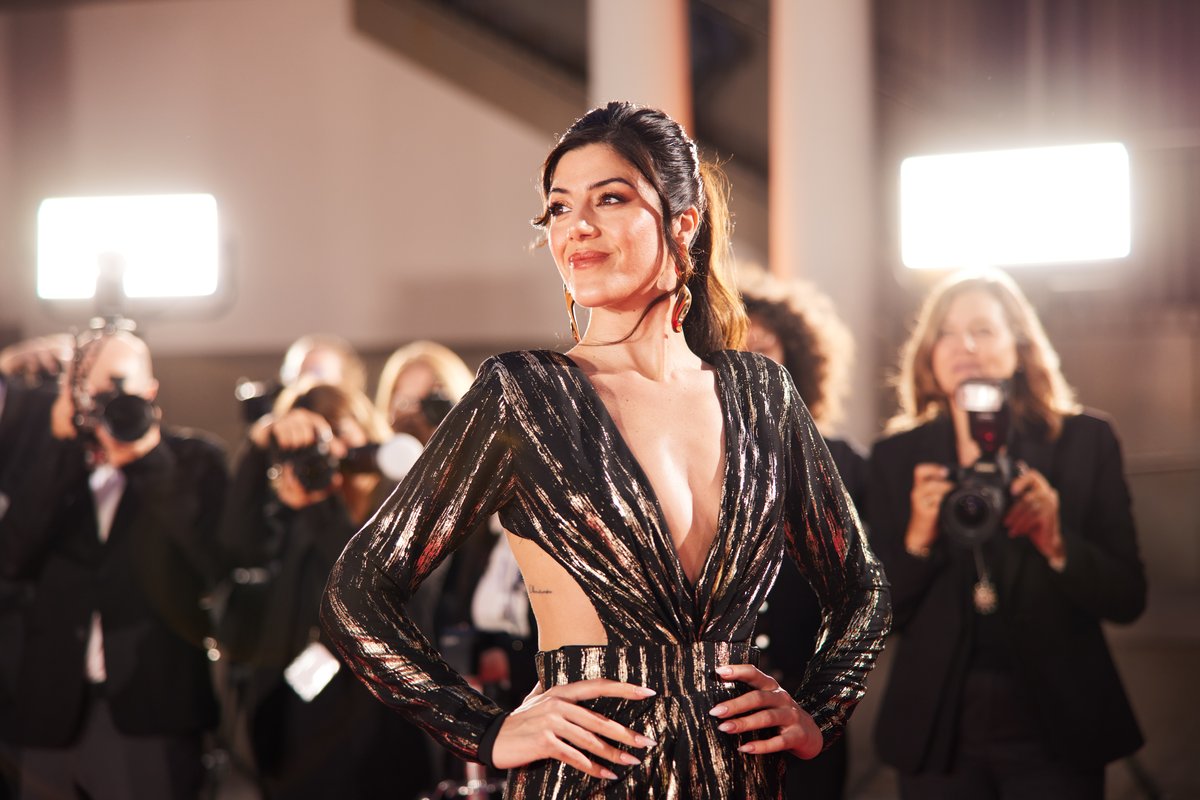
In today's digital age, celebrities play a vital role in shaping fashion trends, transforming mere clothing items into aspirational narratives. For example, high-profile events like the Oscars can catapult fashion brands into global recognition, with celebrities like Lady Gaga often setting new cultural benchmarks through their style choices.
Lesson 15. Pioneering Fashion Innovation with AI and VR
Fashion's intersection with technology is reinventing the industry, offering breakthroughs in sustainability and bespoke consumer experiences through tools like 3D printing and AI. As this tech-driven transformation unfolds, it positions fashion at the forefront of innovation, where creativity and ethical practices converge.







 6 Hours average completion time
 0.6 CEUs
 15 Lessons
 15 Exams & Assignments
 15 Reference Files
 Mobile Friendly
 Last Updated October 2026



 Computers & Technology
  Career & Professional Development
  Science
  Luxury
  Human Resources
  Parenting Skills