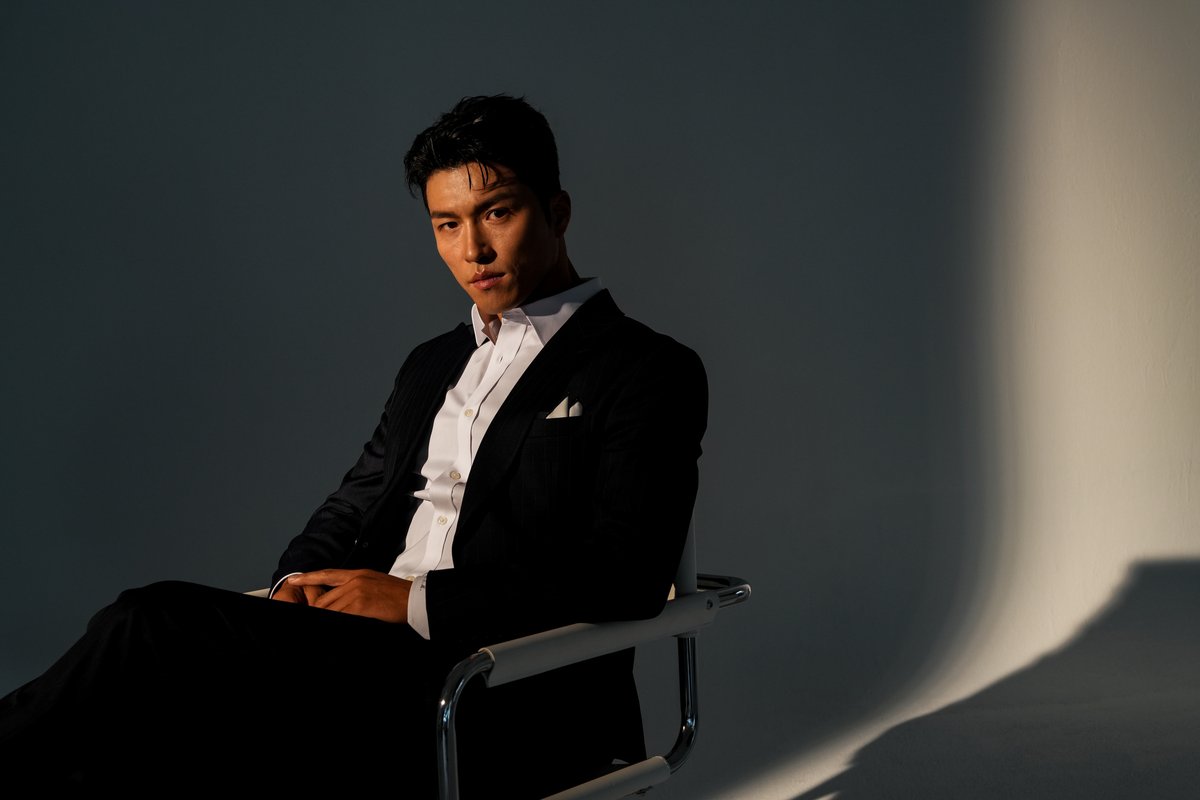


How Fashion Trends Take Shape
Unleash Your Style, Redefine Tomorrow




 6 Hours average completion time
 0.6 CEUs
 15 Lessons
 15 Exams & Assignments
 182 Articles
 Mobile Friendly
 Last Updated October 2026

Step into the dynamic world of fashion with "How Fashion Trends Take Shape," a course that unravels the multifaceted forces driving the evolution of style. Imagine exploring the rich history and transformative shifts of the fashion industry, from the meticulous artistry of haute couture to the innovation of digital fashion. This course will empower you to navigate the intricate landscape of trends, societal influences, and technological advancements that continually reshape fashion. Whether you're an aspiring designer, a savvy consumer, or simply someone fascinated by the cultural impact of fashion, this course offers a comprehensive understanding that will enhance your perspective and decision-making in the industry.
As you delve into the course, you'll uncover how fashion reflects and influences cultural identity, how it accommodates technological progress, and how it responds to the pressing need for sustainability. You'll learn about the significant pivot from fast fashion's rapid cycles to where sustainability meets creativity, fostering informed choices in materials and production methods. This knowledge is not only relevant for designing but also crucial for any role in the fashion ecosystem, equipping you to make decisions that resonate with ethically conscious consumers.
One distinctive feature of this course is its exploration of the intersection between fashion and technology. As digital tools like CLO 3D revolutionize the design process, you'll become familiarized with how these innovations enable more sustainable and efficient methods of creation. The rise of digital fashion, including NFTs and smart textiles, is not just a trend but a glimpse into the future where creativity melds with responsibility. By the end of the course, you will not only appreciate how trends take shape but also be inspired to engage with them in an informed and impactful way.
Join us in this insightful exploration of fashion's past, present, and future--each segment offering practical insights and inspiring possibilities. Whether you're ready to take your first step or deepen your existing knowledge, there's a wealth of learning ready for you here, presented in an approachable, engaging format.

- Interpreting global style influences
- Understanding sustainable fashion practices
- Digital design proficiency with CLO 3D
- Analyzing socio-political fashion narratives
- Innovating with sustainable materials
- Exploring the role of fashion icons
- Adapting to fashion's digital transformation
- Navigating fashion's ethical evolution
- Mastering omnichannel retail strategies
- Cultural analysis in fashion trends



 Personal Development
  Art & Design
  Fashion & Personal Style
  Business
  Financial Skills
  Nutrition
  Small Business
  Computer Courses
  Medical Skills