


Home Inspection 101
Uncover the Essentials, Master the Insights!



 16 Hours average completion time
 1.6 CEUs
 18 Lessons
 19 Exams & Assignments
 19 Reference Files
 Mobile Friendly
 Last Updated June 2026

Home Inspection Mastery: From Basics to Business
Dive into the comprehensive realm of home inspection with this meticulously crafted course, designed to elevate you from a novice to a proficient home inspector. As the real estate market continues to expand, the importance of home inspections has never been clearer. Since the industry's establishment in the mid-1970s, there's been a monumental surge in its significance. Integral to every real estate transaction, a thorough home inspection ensures both the buyer's peace of mind and the home's overall value.
Why Choose This Course?
This course is tailored to offer a holistic understanding of home inspections, catering both to individuals aiming to grasp the intricacies of the process and those intending to champion the profession. It promises an all-encompassing curriculum, starting from the rudimentary elements of home inspection and advancing to the nuanced domains of business establishment and maintenance.
Each lesson, supported by detailed checklists, vivid examples, informative videos, and resourceful links, strives to be an immersive experience. Whether you're a homeowner, real estate enthusiast, or an aspiring home inspector, this course ensures you walk away enriched and empowered.
Course Breakdown:
-
Lesson 1: Home Inspection 101 - Introduction to the world of home inspection, its relevance, and its impact on the real estate landscape.
-
Lesson 2: Basic Tools of the Trade - Delve into the essential tools every inspector needs, from moisture meters to thermal imaging cameras.
-
Lesson 3: The Role Ethics Plays in Home Inspection - Unravel the significance of ethics, ensuring transparency and trust in the inspection process.
-
Lesson 4: What's Included in a Home Inspection - An expansive overview of the components covered in a typical home inspection.
-
Lesson 5: Getting Started: Inspecting Outdoors - A deep dive into external factors like landscaping, drainage, and sidewalks.
-
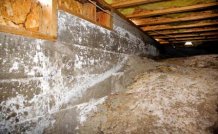
Lesson 6: Inspecting Roofs and Crawl spaces - Explore the critical areas of roofs and crawl spaces, often indicators of a home's overall health.
-
Lesson 7: Inspecting Kitchens and Bathrooms - Understand the intricacies of these vital spaces, from plumbing to fixtures.
-
Lesson 8: Door and Window Inspections - Analyze the structural and functional aspects of doors and windows.
-
Lesson 9: Inspecting Ceilings, Floors, and More - Investigate the essentials of a home's interior spaces and potential issues.
-
Lesson 10: Garages, Attics, and Basements - Discover the challenges and considerations in inspecting these specialized areas.
-
Lesson 11: Plumbing Inspections - Delve deep into the world of pipes, faucets, and drains, identifying potential red flags.
-
Lesson 12: Inspecting the Electrical, Heating, and Cooling - Navigate the complexities of home systems, ensuring safety and functionality.
-
Lesson 13: Other Inspection Possibilities - From fireplaces to home theaters, this lesson covers it all.
-
Lesson 14: Red Flag Issues - Address concerns like mold, radon, and carbon monoxide that demand immediate attention.
-
Lesson 15: Routine Home Maintenance Issues - Learn how regular upkeep can significantly enhance a home's longevity.
-
Lesson 16: The Inspection Process - Master the art of conducting a systematic, efficient, and effective home inspection.
-
Lesson 17: Becoming a Home Inspector - Chart your path in the industry, understanding qualifications, certifications, and best practices.
-
Lesson 18: Starting and Running a Successful Business - Translate your skills into a thriving business, mastering the nuances of entrepreneurship in the home inspection realm.
In an ever-evolving real estate market, having a profound understanding of home inspections is an asset. This course promises not just knowledge but the skills to apply it effectively, making it a quintessential investment in your future. Join us and unlock the doors to a brighter, more informed tomorrow.

- Adhere to ethical standards in inspections
- Assess structural integrity and potential hazards
- Enhance communication with detailed
- clear reports
- Evaluate safety in electrical and HVAC systems
- Navigate the real estate market with confidence
- Translate inspection skills into a successful business
- Ensure comprehensive property evaluations and insights
- Conduct thorough and efficient home inspections
- Identify critical home maintenance issues
- Master essential home inspection tools and technologies
- Develop systematic and organized inspection processes



 Art & Design
  Personal Development
  Health & Medicine
  Teacher Resources
  Small Business
  Paranormal Studies
  Social Science
  Medical Skills
  Microsoft Office Courses

-

Healing Affirmations
-
GED Test Preparation
-

Persuasion Techniques
-

Creative Writing 101
-

Resolving Workplace Conflict
-

Medical Terminology 101
-

Candle Making
-
Dealing with Difficult People
-

How to Decorate Your Home
-

All About Herbs
-

Building a Bully-Free Future
-

Humor Writing 101
-

Poetry Writing 101
-

Medical Terminology 201
-

Sensitivity Training for the Workplace
-

Successfully Networking Your Career
-

Respectful International Workplace
-

Constructive Feedback and Criticism
-

Small Business Guide
-

Innovative Thinking Skills